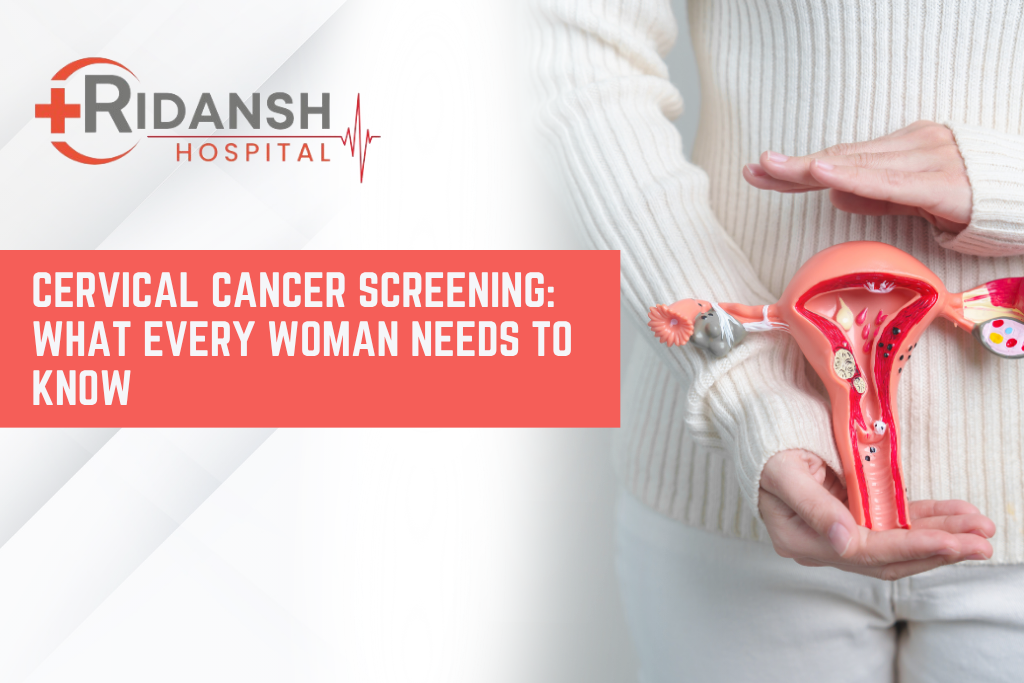
Cervical Cancer Screening: What Every Woman Should Know?

Cervical cancer is one of the most preventable cancers in the world. Yet it remains a leading cause of cancer-related deaths among women in India. This is not because cervical cancer is unstoppable. It is because cervical cancer is often undetected until it is too late to treat easily.
The reason is simple. Cervical cancer does not show signs in its early stages. There is no pain, no clear symptoms, and no discomfort that would prompt most women to see a doctor. By the time symptoms appear, the disease has often progressed to a more serious stage.

This is why cervical cancer screening exists. Every woman above the age of 21 should make it a part of her healthcare routine. A simple test done once every few years can detect changes in the cervix long before cancer develops. Early detection does not just improve outcomes—it can prevent cervical cancer entirely.

What Is Cervical Cancer?

The cervix is the lower part of the uterus that connects to the vagina. Cervical cancer occurs when cells in the cervix begin to grow uncontrollably.

The primary cause in most cases is the Human Papillomavirus (HPV), a common virus transmitted through skin-to-skin contact. Most HPV infections go away on their own. However, certain high-risk strains can cause changes in cervical cells that may develop into cancer over time.

Cervical cancer usually develops slowly over many years. This creates a crucial window where regular screening can detect abnormal changes early and allow treatment before cancer develops.

Why Regular Screening Is Essential

Screening is not just about detecting cancer—it is about identifying risk early.

During screening, doctors look for:

  • Cell changes that could develop into cancer
  • Early-stage cervical cancer, which is easier to treat

Women who get screened regularly give themselves the strongest protection. Those who skip screening—due to busy schedules, lack of awareness, or fear—may unknowingly allow serious conditions to go undetected.

The good news: screening is quick, simple, and far less intimidating than expected.

The Two Main Screening Tests Explained

Pap Smear Test
A Pap smear involves collecting a small sample of cells from the cervix. These cells are examined for abnormalities. It acts as an early warning system by detecting changes before cancer develops.

HPV DNA Test
This test checks for high-risk HPV strains. A positive result does not mean cancer—it means closer monitoring is needed.

Co-Testing
For women over 30, combining both tests provides the most complete assessment. This is considered the gold standard for screening.

When Should You Start Screening?

Ages 21 to 29
Pap smear every 3 years

Ages 30 to 65
Choose one of the following:

  • HPV test every 5 years
  • Pap smear every 3 years
  • Co-testing every 5 years

After 65
Screening may be stopped if previous results have been normal—follow your doctor’s advice.

Women with prior abnormalities, HPV infection, or weakened immunity may need more frequent screening.

Symptoms Checklist: When to See a Doctor

Screening is for women without symptoms. But if you notice any of the following, consult a doctor immediately:

☐ Bleeding after intercourse
☐ Bleeding between periods
☐ Bleeding after menopause
☐ Persistent pelvic or abdominal pain
☐ Unusual vaginal discharge (watery, thick, or foul-smelling)
☐ Unexplained fatigue

These symptoms do not always mean cancer, but they require prompt evaluation.

Doctor’s Tip “Many women delay screening because they feel perfectly healthy — and that is exactly the point. Cervical cancer rarely causes symptoms in its early, most treatable stages. A Pap smear takes less than ten minutes and could save your life. Please do not wait until something feels wrong to come in.” — Gynaecology Team, Ridansh Hospital

What to Expect During Your Screening Appointment

The procedure takes less than 10 minutes.

  • You will lie on an examination table
  • A small sample of cervical cells will be collected
  • The sample is sent to a lab
  • Results are usually available within a few days

Before Your Appointment:

  • Schedule when you are not on your period
  • Avoid creams or medications for 48 hours before the test
  • Stay relaxed and breathe normally

Prevention Beyond Screening: The HPV Vaccine

The HPV vaccine helps prevent cervical cancer. It works best when taken between ages 9 and 14, but can be given up to age 45.

Vaccination and regular screening together provide the best protection.

Cervical Cancer Screening at Ridansh Hospital

At Ridansh Hospital, Vivek Khand, Gomti Nagar, patient care is handled with sensitivity and respect. The team offers:

  • Pap smear tests
  • HPV DNA testing
  • Experienced specialists
  • Supportive and confidential care

Female doctors are available to ensure comfort and trust throughout the process.

Ten Minutes That Could Change Everything

Cervical cancer does not have to happen. It can be prevented, detected early, and treated successfully.

The screening test takes only a few minutes—but can give you years of peace of mind.

If you are 21 or older and have not been screened recently, do not wait. Do not rely on symptoms. Do not let a busy schedule delay something so important.

Make your appointment today. It could save your life.
Best Foods for Kids: Expert Nutrition Tips Every Parent Should Know

One of the most crucial roles of a parent is to ensure that their child receives the right Expert nutrition. A balanced diet not only aids in physical development but also in the development of the brain, immunity and even emotional state. We are keen on early nutritional habits at Ridansh Hospital, as they form the foundation of a child’s healthy life. In the modern-day busy world, where junk food is readily available, being able to make informed decisions about the food you eat has never been as important to parents as it is today.

Why Children Should Eat Nutritiously?

Children are still in a constant stage of growth and development, and hence, proper nutrition is imperative. A diet rich in nutrients is useful in enhancing concentration, learning powers, enhancing immunity and enhancing energy level. As the urban population becomes more and more exposed to unhealthy lifestyles, such as food in growing cities like Lucknow, it is significant that parents take a more active role in determining the type of food that their children consume. 

Critical Vitamins and Minerals Children Need

Proteins – The Growth Builders

Protein is essential in muscle development and tissue healing. The presence of such foods as eggs, milk, paneer, lentils, and lean meat guarantees that children receive the required amounts of protein in their daily growth and development.

Calcium – Healthy Bones and Teeth

During the developing years, calcium plays a very important role since it makes the bones and teeth stronger. The dairy sources like milk, cheese, and yoghurt, as well as the vegetarian sources like ragi and almonds, are very good to fulfil calcium needs.

Iron – Healthy Blood and Brain Performance

Iron plays a vital role in the synthesis of haemoglobin and the healthy development of the brain. Spinach, beetroot, jaggery, and dates are all foods that can be used to prevent iron deficiency, to ensure that children are lively and attentive.

Vitamins and Minerals- Immunity Boosters

Vitamins A, C and D, minerals such as zinc, help increase immunity and health in general. The presence of fresh fruits and vegetables like oranges, apples, carrots, and tomatoes will provide children with a high variety of the most important nutrients.

Oily Fats – To make the brain healthy

The brain needs healthy fats in order to work and to have energy. Moderate quantities of ghee, nuts, and seeds may supply the fats that are necessary in cognitive development among children.

The Top Foods that You should Add to the Daily Diet of your Child

Milk and Dairy Product

Milk is a whole meal that is a source of calcium, protein, and necessary vitamins. This is because including milk or dairy foods such as yoghurt and cheese in daily meals helps strengthen the bones and digestion.

Fresh Fruits

Fruits contain high amounts of fibre, antioxidants and natural sugars, which are energy-giving. Apples are useful in digestion, bananas give an immediate energy, and citrus fruits improve immunity, and that is why these fruits are very helpful to consume daily.

Vegetables: The Power of a Rainbow Diet

Vegetables, and in particular colourful ones, offer a vast range of nutrients. The promotion of a healthy diet among children by ordering a rainbow plate of carrots, spinach, and sweet potatoes is the way to a balanced diet.

The Eggs – The Ultimate Superfood

Eggs contain protein and the necessary fats of high quality. They are simple to cook and most helpful in the development of a child, hence they are a necessity in everyday meals.

Nourishing the Body and Soul

Fibre and sustainable energy are found in whole grains such as oats, brown rice, and whole wheat. They are healthier than refined carbohydrates, and they aid digestion.

Healthy Snacks: Nuts and Seeds

Examples of these healthy fats and proteins include nuts and seeds like almonds, walnuts and flaxseeds. They prepare great snack dishes which keep children full of energy.

Growth Proteins Lean

In non-vegetarian families, lean meat such as chicken and fish has the necessary nutrients, such as iron and protein, which promote development in general.

Good Eating Habits That Should Be encouraged by parents

The development of healthy eating habits is equally significant as making correct choices regarding food. When nutritious meals are made to look attractive and fun, chances are high that children will have an increased chance of eating them. It may be significant to use colourful ingredients, imaginative forms, and participatory meals. Scheduling of meals keeps the hunger levels within control and enhances digestion. This also entails the aspect of hydration, and children should be made to consume sufficient amounts of water during the day. 

Foods that should be restricted in the diet of a child

On the one hand, it is necessary to pay attention to healthy foods, but on the other hand, it is also necessary to reduce the number of unhealthy foods. Owing to constant eating of junk food, sweet beverages, and processed snacks, one is likely to become obese, have low immunity and experience dental issues. Rather than avoiding these foods altogether, the parents must strive to have moderation and a healthier substitute at home. Slow modification of eating habits is long-term and more effective.

Food errors that should be avoided by parents

Most of the parents do not realise some of the mistakes they commit that may influence the eating habits of their children. Forcing children to consume food may lead to resistance and a negative attitude towards food. Cravings for junk food are enhanced by rewarding them with junk food. Losing breakfast may lead to depletion of energy and focus during the day. Early exposure to a diverse food range helps in avoiding the picky eating habit, and it will teach children to have a balanced palate.

Sample Day-to-day Diet Plan of Kids

A child should be fed on a simple and balanced diet that would provide him or her with all the necessary nutrients. Milk can be used in a healthy breakfast with such alternatives as vegetable poha or an egg sandwich. Apples and bananas are some of the fruits that can be used as mid-morning snacks. Roti, dal, vegetables, and curd should be taken as a lunch that will provide a balanced intake of nutrients. Light snacks can be eaten in the evening, but they need to be healthy, like nuts or a sandwich made at home. Rice, vegetables, and a source of protein such as paneer or chicken can be used to make dinner, and it makes the day complete.

Indications of When to Schedule a Pediatri

c Specialist

Each child is a special child with their own nutritional requirements, and at times, professional assistance is required. In case a child exhibits symptoms such as lack of weight growth, frequent diseases, lack of appetite, or nutritional deficiencies, one should see a specialist. Pediatric specialists of Ridansh Hospital will offer the children individual nutrition counselling based on the needs of each child, which will help achieve maximum growth and health.

Conclusion

To develop a healthy eating behaviour among children, it is important to be consistent, patient and use the appropriate method. With attention to a balanced diet, promotion of variety, and a positive food environment, parents can establish the background of lifelong wellness. Even little daily improvements may result in serious long-term advantages, and children will develop into strong, active, and self-reliant people. 

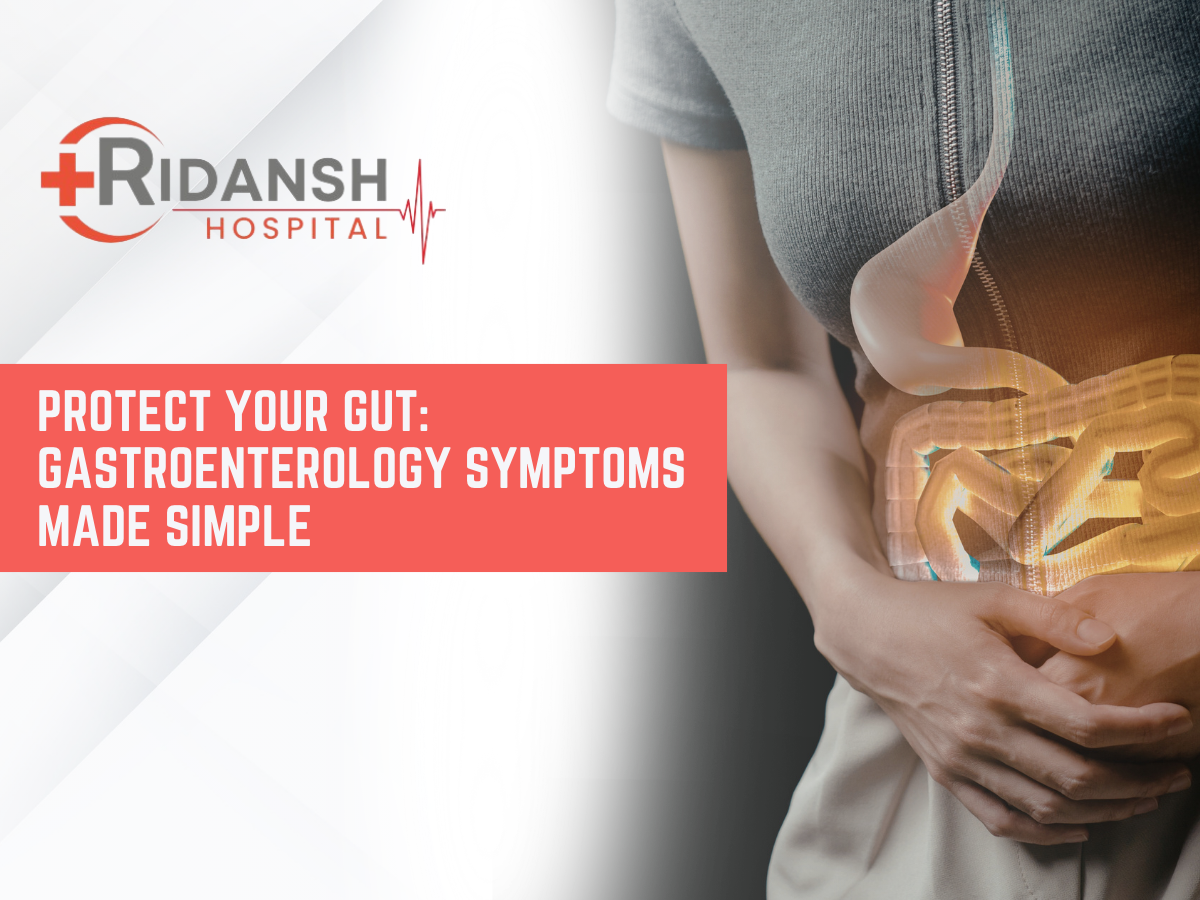
Protect Your Gut: Gastroenterology Symptoms Made Simple

The digestive system is the one that is operating noiselessly on a daily basis – to digest food, absorb nutrients and excrete waste. Once everything is going well, you barely notice it. However, when something goes wrong, it impacts on your whole life.
Gastroenterological conditions are also one of the most widespread health problems people encounter when being in India nowadays, starting with simple acidity and ending with other complex liver diseases. The positive thing is that the majority of digestive disorders can be fully cured in case they are identified at the earliest stage.
This guide will take you through the most prevalent gastroenterology symptoms, their diagnosis, and current treatment that is currently available.

What is Gastroenterology?

Gastroenterology is a field of medicine that deals with the well-being of the digestive system. This involves all organs that are related to digestion:

Esophagus
Stomach
Small intestine
Large intestine (colon)
Liver
Gallbladder
Pancreas
Rectum

Gastroenterologist is a professional physician, who diagnoses and treats diseases associated with these organs.

Top Gastroenterology Symptoms You Cannot Afford to Disregard.

Most individuals ignore the signs of digestion as insignificant nuisances. Nevertheless, these symptoms are warning signs to your body. It is possible to prevent severe complications by identifying them in their early stages.

1. Relentless Acid Reflux and Heartburn.

It is normal that there is occasional heartburn following a hearty meal. Nevertheless, when you have heartburn on more than two occasions over a period of a week, there is a possibility of having Gastroesophageal Reflux Disease (GERD). Unattended, GERD may erode the inner lining of your esophagus and exalt the chances of development of complications.

gastroenterology symptoms to watch:

Chest pain following meals.
Sour taste in mouth
Difficulty swallowing
Chronic dry cough

2. Abdominal Pain & Bloating

Constant abdominal pain whether sharp, dull or cramping should not be disregarded. When you get too full after eating a little you should also see that something is amiss with your digestive system.

Possible causes:

Irritable Bowel Syndrome (IBS)
Gastritis
Peptic ulcers
Gallstones
Pancreatitis

3. Changes in Bowel Habits

One of the greatest messages your gastrointestinal system gives out becomes sudden or long term changes in your bowel movements.

Warning signs include:

The chronic constipation over 3 weeks.
Persistent diarrhea
Blood in stool
Narrow or pencil-thin stools
Abnormal alteration in stool color.

Such symptoms may imply the IBS to colorectal cancer and should be tested by a specialist.

4. Difficulty Swallowing (Dysphagia)

A serious symptom is to feel that there is food stuck in your throat or chest. Dysphagia may represent esophageal diseases, strictures or in certain instances, the evidence of early esophaginal cancer.

5. Unexplained Weight Loss

Weight loss and no alteration in the diet or exercise habit may indicate malabsorption, inflammatory bowel disease or other underlying gastrointestinal conditions. This symptom also should be examined as soon as possible.

6. Jaundice

Jaundice is usually characterized by yellowing of the skin or eye whites, dark urine or pale stool. This is a sign that your liver or your gallbladder is not working efficiently and needs a proper check up.

7. Nausea & Vomiting

Although occasional nausea is a normal phenomenon, chronic nausea or excessive vomiting (particularly when other symptoms are present) requires medical examination.

8. Rectal Bleeding

Rectal bleeding or blood in stool should never be disregarded of any age. It may be as simple as hemorrhoids to more severe diseases such as colorectal cancer.

Gastroenterology Conditions Diagnosis How do Gastroenterology Conditions get Diagnosed?

Effective treatment is based on accurate diagnosis. There are numerous diagnostic tools used in the modern gastroenterology in order to determine the underlying cause of your symptoms.

Diagnostic Endoscopy

One of of the most significant gastroenterological tools is endoscopy. Doctors are able to see the image of the interior of your digestive system directly with a thin flexible tube that has a camera.

Endoscopy on the Upper GI – tests esophagus, stomach and duodenum.
Colonoscopy -checks the large intestine and rectum.
These processes aid in the identification of ulcers, inflammations, polyps and small cancers.

Advanced Imaging

Ultrasound – assesses liver, gall Bladder, Pancreas and abdominal organs.
CT Scan – is a method to give detailed cross-sectional images of the digestive organs.
MRI- provides radiation-free detailed soft tissue imaging.

Breath & Stool Tests

Invasive tests done to determine:

Bacterial infection caused by H. pylori.
Food intolerance such as lactose intolerance.
Digestive infections
Overgrown small intestinal bacteria.

FibroScan

Fibroscan is a new non-invasive technology that evaluates liver stiffness and liver fibrosis or cirrhosis, owing to the non-invasive nature of the technology, which does not require the use of a biopsy. It is painless, fast and most precise.

Blood Tests

Liver tests, pancreatic enzymes and inflammatory cells aid in determining general wellbeing of your digestive system.

Modern Gastroenterology: Treatment Options.

After diagnosis, the treatment is to be administered depending on the particular condition, its severity and the overall health of the patient.

1. Lifestyle & Dietary Changes

The initial treatment of many of the diseases such as GERD, IBS, fatty liver disease and gastritis consists of:

Dietary modifications
Weight management
Stress reduction
The avoidance of trigger foods and alcohol.
Regular physical activity

A clinical nutritionist is also a significant participant in managing such conditions together with your gastroenterologist.

2. Medication Management

Drugs such as: are useful in the treatment of many gastroenterological disorders.

Acid reflux proton pump inhibitors.
H. pylori infection antibiotics.
IBD anti-inflammatory drugs.
Antispasmodics for IBS
Fatty liver liver protective drugs.

3. Complex Endoscopic Surgeries.

Endoscopic techniques have advanced modern gastroenterology to the ability to treat most serious conditions without surgery:

ERCP (Endoscopic Retrograde Cholangiopancreatography) – the solution to clear the stones in the bile duct and cure the blocksages of the bile duct.
Endoscopic Polypectomy- This involves the removal of polyps during colonoscopy.

Endoscopic Stenting- placement of stents to decongest.
Variceal Banding -management of esophageal varices in liver disease patients.

4. Laparoscopic Surgery

In cases of necessity, laparoscopic surgery with a minimum of invasiveness is more beneficial than the standard open surgery:

● Reduced incision and scarring.
● A lot less post-operative pain.
● Shorter hospital stay
● Quicker recovery and normal resuming life.
● Reduced risk of infection

Such laparoscopic operations are common:

Laparoscopic cholecystectomy (removal of gallbladder).
Hernia repair
Appendectomy
Colorectal surgery

The Treatment of Common Gastroenterological Conditions.

GERD is chronic acid reflux that causes damage to the food pipe. IBS or Irritable Bowel Syndrome causes recurring gut discomfort and bowel changes. IBD includes Crohn’s disease and ulcerative colitis which cause chronic bowel inflammation. Fatty liver disease involves excess fat build-up in the liver. Gallstones are hard deposits that form in the gallbladder. Pancreatitis is inflammation of the pancreas. Liver cirrhosis is progressive scarring of liver tissue. Peptic ulcers are sores that form in the stomach or small intestine lining. Hepatitis is viral inflammation of the liver. Colorectal cancer affects the colon or rectum and is highly treatable when detected early.

Digestive Health Care

At Ridansh Hospital, we understand that good digestive health is at the heart of your overall wellbeing. Our Gastroenterology department is equipped with the latest diagnostic and treatment technology, giving you complete care under one roof.our team is committed to delivering the highest standard of care with compassion and transparency.

We offer advanced diagnostic endoscopy and colonoscopy, FibroScan liver assessment, minimally invasive laparoscopic surgery, complete liver and gallbladder care, IBD and IBS management and 24×7 emergency gastroenterology services.

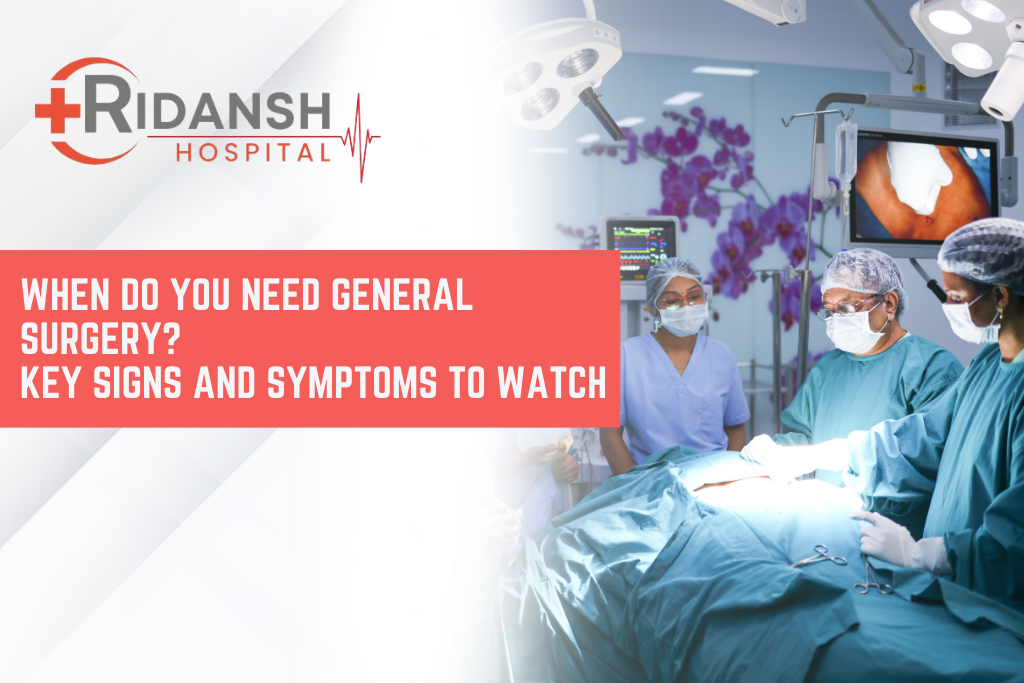
When Do You Need focus on General Surgery? Key Signs and Symptoms to Watch

When a person considers the field of specialized medicine, his or her mind is readily swayed towards high profile areas such as cardiology or neurology. Although the heart and the brain are without a doubt essential, General Surgery is the real strength of emergency treatment as well as of preventative medicine in the long term.

At the Ridansh Hospital in Lucknow, we are able to observe how the word General may be slightly misused. Contrary to being a jack-of-all-trades, the general surgeons are extremely specialized specialists who are concerned with the complexities of the abdominal cavity, the digestive organization, the endocrine system, and the soft tissues. It is not only a matter of medical curiosity: a knowledge of when to refer to a general surgeon may save a life or result in a crisis based on whether red flags are recognized or not.

The reason General Surgery is the Silent Engine of Medicine

General surgery can be referred to as the restoration of functionality before failure in a system takes place. In a busy city such as Lucknow where the changing lifestyle and food habits are quickly changing, the rate of abdominal and digestive complications is increasing.

The Center of Emergency Care: The majority of surgical emergencies that present themselves in the ER of a given hospital, such as acute trauma or internal infections of sudden onset, are the domain of the general surgical team.

The Magic of Minimally Invasive Procedures: Say goodbye to the era of protracted post-operative periods and huge scars. Laparoscopy is of primary importance in modern general surgery as is the case of Ridansh. Surgeons can make intricate repairs with the least amount of blood loss and a significantly higher rate of discharge by use of cameras and special equipment using incisions so small only the size of a fingernail.

Avoiding the so-called Chain of Escalation:  A minor hernia or a complaining gallbladder may be perceived as a minor inconvenience nowadays. Nevertheless, general surgery is intended to prevent the development of these problems to the point of strangulation or systemic sepsis.

How to know: Important Signs and Symptoms When Your Body is Trying to talk to you!

The body is so expressive. In case one of the internal organs is in distress, it gives certain distress signals. Early identification of these will avoid the necessity of having an open operation and swifter healing.

Severe pain in the Lower Right Abdomen (Appendicitis)

The appendix is a little pouch but on the occasion when it gets inflamed it is a time bomb. This typical course begins with a dull pain around the belly button which then starts to travel or move to the lower part of the right side that becomes sharp and very severe. This should be examined by surgery immediately in case it is accompanied by a low-grade fever or lack of appetite.

Several hours after heavy meals or fatty food, a person is experiencing pain in the stomach area.

When you have been eating and someone stabs you in the upper right abdomen, or even under your shoulder blade on your right side, then your gallbladder could be the cause. Bile ducts may be blocked by the presence of gallstones, which causes inflammation (cholecystitis). Otherwise, this may result into serious infections or pancreatitis.

An Obvious or Tangible Protrusion (Hernia)

A hernia is the protrusion of a body part or body fat through a lapse of a local muscle or connecting tissue. You may experience a lump in the abdomen or groin which is worseened in response to coughing, strain, and lift heavy objects. Although some of them are painless, a hernia which gets stuck (incarcerated) may cut off its blood supply and turn into a surgical crisis in a matter of hours.

Continuous Nausea and Gastric Inability to Pass (Bowel Obstruction)

A bowel obstruction may occur in case of excessive bloating, cramping and inability to pass a bowel movement or release gas. It can either be occasioned by scar tissue of previous surgeries, hernias, or tumours. Such is an acute case that requires immediate diagnostic skills of a general surgeon.

Jaundice: Yellow Eyes or Skin

When you start to yellow up on the skin or the whites of the eyes then you know that your system is accumulating bilirubin. This is usually an indicator of an obstruction in the duct of bile or a problem with the pancreas. These pathways are complex and thus, a general surgeon might have to step in and de-block them to restore normal liver and pancreatic functions.

Chronic Cardiac Heartburn or Acid Reflux

Although most individuals use over-the-counter antacids as a treatment of GERD, in some cases, chronic reflux may also be a symptom of a Hiatal Hernia. The diaphragm may be damaged in the long run by the pushing up of the stomach through the diaphragm. General surgeons are able to perform wraps or repair to provide the natural barrier to stomach acid.

The History of the Surgical Experience

The character of modern medicine has changed to be more proactive than reactive. In Ridansh Hospital, we underline that surgery is not a symptom of failure in the treatment, but an accurate means of solving the problem.

The definition of the surgical experience has changed with the incorporation of the Advanced Laparoscopic Surgery. Patients who may have had a one-week stay in the hospital ten years ago are currently leaving the hospital in 24 to 48 hours. This lowered time out is vital to working population of Lucknow so that they can get back to their daily routine and family duties faster.

Learn to Pay Attention to the Check Engine Light

Chronic pain and acute illness are often fixed in the last resort by general surgery. The symptoms of the abdomen or digestive tract do not just vanish by being ignored, they tend to complicate the eventual surgery, increase the size of the incisions and lengthen the process of healing.

In case you have been feeling constant pain in the abdomen, some lumps or sudden alterations in the way your digestive system works, then you do not have to wait until the symptoms become too painful. Health crisis may be a frightening experience but with early consultation with a specialist, it can be transformed into a planned process.

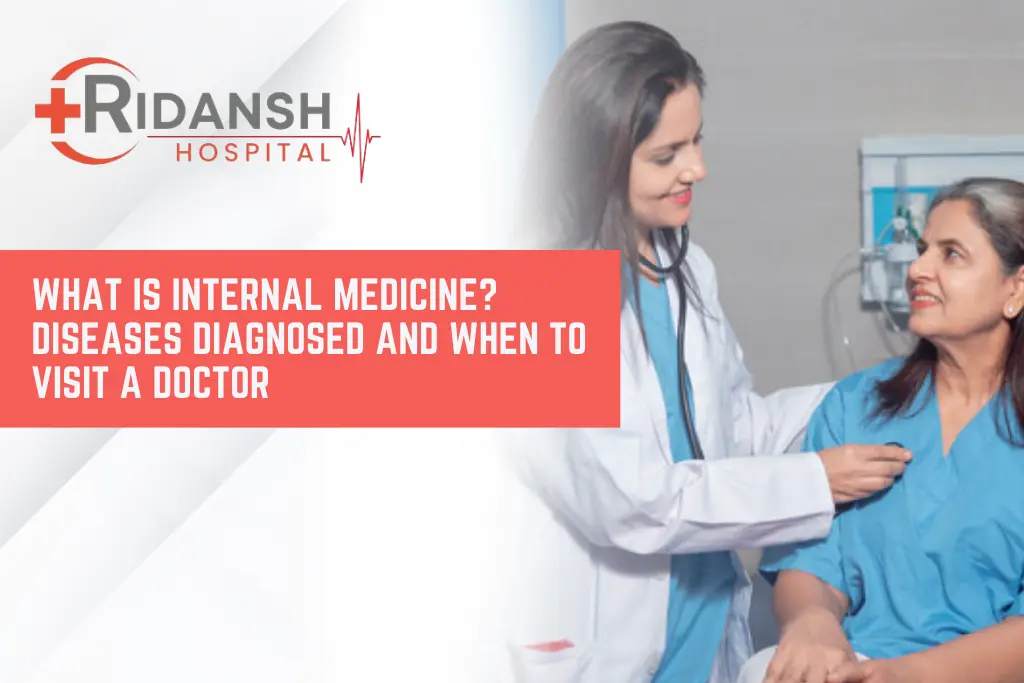
Internal Medicine Explained: Common Diseases and Care

The modern healthcare environment is a complicated system where patients have to move through a maze of specialists. But the foundation of adult care lies in a specialty that is called internal medicine. An internal medicine specialist, also known as the doctor of the doctor, is often considered the primary center in the diagnosis, treatment and prevention of an enormous number of diseases. This area is one that one must understand in case he or she wants to live long term and be able to deal with the complexities of the human body.

What Is Internal Medicine?

To respond to the elementary query- what is internal medicine one has to consider the intensity of training. Internal medicine Internal medicine is a medical field that focuses on prevention, diagnosis, and treatment of diseases in adults. This line of professionals is referred to as internists, and they are trained to cope with both the simple flu and a multi-systemic and complicated illness.

Internal medicine sees the body holistically unlike other specialties that tend to treat only one organ (such as the heart or the kidneys). The internists are specifically trained to resolve diagnostic puzzles and especially cases in which multiple dissimilar illnesses may be coexisting. Their work is often similar to other disciplines; they are focused mainly on the inner body organs and the internal processes of the adult body.

General Physician vs. Internal Medicine: The difference between the two

This causes confusion over the terminology used in primary care. In contrast to a general doctor and internal medicine, the difference is normally in the line of patients and the type of the training.

General Physicians: This is a very loose term and tends to refer to doctors that give primary care. This involves the General Practitioners (GPs) in most contexts who are allowed to treat patients of all ages, which includes children (pediatrics) and pregnant mothers (obstetrics).

Internal Medicine Specialists: The specialists in internal medicine are specialized in adult medicine. Their 3 year training in residency is all in adult clinical medicine, with many having sub-specialties such as neurology, endocrinology, and oncology. Their particular ability is to deal with the intricacies of aging and chronic disease.

When you are an adult and have a complicated medical history, it is frequently the case that conducting an internal medicine doctor near me will be the first and the best step to take to make sure the treatment would be handled by a doctor that is specially trained in adult physiology.

Regular Problems Treated by an Internist

The practice of an internist is an extremely wide field. They are first line protectors against the most prevalent health issues of adults in the current world. They deal with some of the major conditions including:

Metabolic disorders: This is Type 2 Diabetes and thyroid dysfunctions.

Cardiovascular Health: It is possible to control high blood pressure (high blood pressure) and high cholesterol (hyperlipidemia) and prevent heart disease.

Respiratory Problems: Chronic obstructive pulmonary disease (COPD) and asthma as well as treatment of acute illnesses such as pneumonia.

Infectious Diseases Management Infectious diseases include treatment of seasonal viral fevers down to severe bacterial infections.

Gastrointestinal Health: Solving the problems of GERD (acid reflux), irritable bowel syndrome (IBS), and liver health.

Multitasking Multiple Chronic Conditions

It is not surprising that as we get older we are likely to experience so-called comorbidities- simultaneous presence of two or more chronic illnesses. As a case in point, a patient can also have hypertension, diabetes, and osteoarthritis. One of the most important issues of modern medicine is to learn how to treat various chronic diseases.

This is the area a specialist in internal medicine is expected to excel. They become an intermediary of a medical team of a patient. The internist does not just look at each condition separately but will see how the drug used to treat one illness will impact on another. They give priority to treatment, observe drug interactions and also make sure that when one organ system is being managed; the other is not being harmed unintentionally. To the residents of Lucknow seeking the services of a general physician, it is crucial to find an internist who has knowledge of such an approach in order to live a long life.

Why and When to visit an Internal Medicine specialist?

Although most individuals seek the services of a doctor when they are already unhealthy, the real essence of internal medicine is long-term health care. You are supposed to visit an internist when:

You need a Complete Annual Examination: This is the most efficient method of identifying silent murders such as high blood pressure or early diabetes before they can develop an effect.

You are Persistently Symptomatic: In the case you experience fatigue, weight loss, pain, which cannot be described by the standard clinic, the diagnostic training of an internist is necessary.

You are Navigating Aging: The more the body changes, the more at risk of chronic disease you can be. An internist aids the patients in passing through older adulthood with emphasis given to the preventive screenings such as colonoscopies and bone density tests.

Preventative Care: The Role of Prevention

Internal medicine is not only about curing the illness, but also preventing it. Internists are also specialists in wellness and how to quit smoking, diet and exercise. They keep abreast with the current immunization programs and screening protocols so that the patients are covered against the disease they are meant to prevent. This way the patients enjoy the benefits of having a doctor with whom they have a long-term relationship who understands their medical history, family risks, and personal health objectives.

Quality Healthcare Lucknow

To the population of Uttar Pradesh, obtaining quality diagnostic and treatment is of concern. In case you need a doctor who is reliable, as a general practitioner, in Lucknow, Ridansh Hospital has got a special department of internal medicine. The facility lays emphasis on evidence-based practices in order to make sure that the adult patients are diagnosed and treated in a personalized manner.

Selecting a Multispecialty hospital to operate in Lucknow such as the Ridansh Hospital also implies that in case your doctor in internal medicine realizes that there is a problem which needs surgery then the process of transferring to a surgeon is taken care of in an organized manner.

In conclusion: Your Partner in Long-term Health

Adult healthcare is anchored by internal medicine. The internists also offer extensive but detailed care, not only to the symptoms of an illness, but to the entire patient. You may need a doctor who specializes in internal medicine around you to get a regular check-up or you may need a specialist to consult on how you should cope with various chronic cases, the objective is always to ensure that you lead a healthier and more knowledgeable life.

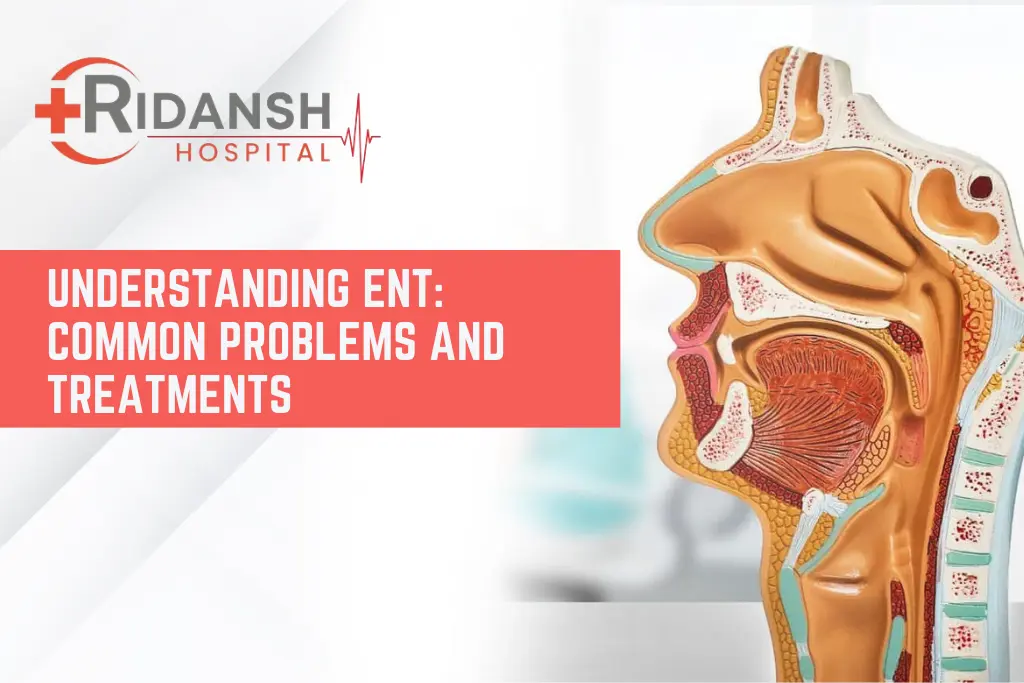
Understanding ENT: Common Problems and Treatments

ENT (Ear, Nose, and Throat), is a specialty of medicine, which deals with some of the most important aspects of human body: hearing, smelling, tasting, breathing, and speaking. Due to the physical interrelation of these three areas, a problem in one of them tends to be transferred to or impact the others. To ensure long-term health, it is crucial to learn about the complications of these systems, particularly in the city where allergy and pollution are common complaints.

When an ENT doctor near me, it is useful to know the content area of their specialisation and when a given condition becomes more than another small inconvenience and a medical requirement.

What Does an ENT Doctor Treat?

An ENT specialist refers to the physician, who received training in the medical and surgical care of patients with disorders and illnesses of the ear, nose, throat, and other parts of the head and neck. Nevertheless, what then does an ENT doctor treat? Their domain includes:

The Ears: They deal with hearing loss as well as tinnitus (ringing in the ears) and balance problems such as vertigo which can be caused by the inner ear.

The Nose: It involves chronic sinusitis, deviated septums, nasal polyps, and sleeping apnea as a result of airway blockage.

The Throat: Experts treat the conditions of the upper aero-digestive tract, such as the esophagus and the larynx. These include swallowing disorders and problems with the voice.

Head and Neck: They also treat infectious diseases, benign and malignant tumors and traumas of the face.

ENT and General Physician Differences

One often goes to a family doctor when he or she has a sore throat or a cold. Nevertheless, ENT and general physician care are different. Primary care is provided by a general physician and covers the system problems such as fever or general infections.

An ENT specialist, however, has superior diagnostic tools, including fiber-optic endoscopes, that enable him or her to look deep into the nasal passages or down the vocal cords. In the same way that a GP will prescribe antibiotics in a recurring ear infection, an ENT will examine the structural cause of why the infection continues to relapse, e.g. a blockage in an Eustachian tube, and will even be able to operate it in case of any failure in medical treatments.

Symptoms of Visiting an ENT Doctor

Most individuals spend their lifetime with a muffled hearing or stuffed head thinking that it is normal. Nonetheless, you should obviously see an ENT doctor when you see certain symptoms. In case of any of the following, the assessment of a specialist is suggested:

Chronic Sinuita: Pain in the face or congestion in the nose, which takes more than 12 weeks.

Sudden Hearing Loss: It may be a symptom of neurological or vascular problems and should be treated immediately.

Tinnitus: The persistent ringing that is in the ears may disturb sleep and psycho-health.

Persistent Hoarseness: A voice change of over two weeks may consist of nodules of the vocal cords even though this may be an early onset of throat cancer.

Difficulty in Swallowing: It is termed dysphagia and may result in nutrition problems and must be diagnosed with a scope.

The ENT Problems of adults and children

The causes of ENT issues differ between adults and children with reference to the anatomical development. As an adult, one is more prone to environmental destruction, hearing loss at work, or long-term snoring. However, the immune system and structure of the faces of children is still developing.

Ordinary Ear, Nose and Throat Problems in Children

Parents are highly concerned about the problem of pediatric ENT. Some of the common ear nose and throat issues that affect children include:

Middle Ear Fluid (Otitis Media): A child has shorter and more horizontal Eustachian tubes hence the trap of fluid which causes frequent infections.

Huge Tonsils and Adenoids: These might result in the Obstructive Sleep Apnea in children which results in mouth breathing, sleeping restlessly, and even behavioral problems because of absence of oxygen.

Delays in speech: Speech delay is a common problem that may present itself as a hearing loss, not diagnosed, due to chronic ear fluid.

Problems of the ENT Due to Allergies

Allergies are the most common issue of ENT in many cities that lead to chronic doctor visits. The mucous membranes of the throat and nose swell when the body responds to allergens such as pollen, dust or pet dander. This can be caused by allergic rhinitis which can result in:

Eustachian Tube Dysfunction: The ears cannot drain as they are swollen, and it feels like there is a clog there.

Nasal Polyps: Chronic inflammation may cause the growths that are not cancerous and block the airway.

Post-Nasal Drip: The surplus mucus drips down the throat resulting into persistent coughing and irritation.

Treatment ENT treatment in Lucknow or other cities of this type may also include both allergy testing and specific medical treatment to diminish this inflammation.

Natural Cure To Chronic Sinusitis

To the people who have been experiencing mild congestion, many would be asking, how can chronic sinusitis be treated in a natural way? Although these techniques do not substitute the surgical approach to structural problems, they may be of great help:

Nasal Irrigation: It involves saline  (Neti pot) that is used to remove thick mucus and allergens in the nasal lining.

Steam Therapy Steam therapy Inhalation of warm, moist air aids in clearing the mucus.

Anti-inflammatory Diet: The overall inflammatory response of the body can be decreased by the reduction of sugar and processed foods.

Hydration: Water is the most preferred natural expectorant.

Why Should I visit an ENT Specialist?

The question of when to visit an ENT specialist would forthwith rely on how frequently and how severe your symptoms are. When you have experienced more than four sinus infections in one year and when you always need to have the television on full blast, then it is time to consult the professionals. Audiometry tests and imaging cannot be offered at a normal clinic like that of an ENT specialist hospital.

Conclusion

It is your nose, throat and ears that determine your capability to communicate and interact with the world. It is essential whether it is ear nose throat issues and treatment of a child or relief against snoring in adults, specialized care is the most important. At Ridansh Hospital, we offer the diagnostic accuracy and surgical know-how, which is required to treat complex head and neck illnesses.

The next consideration when seeking the best ENT hospital in Lucknow is one that is capable of providing complete diagnostics services in a single location. Since it is not only important to manage ENT issues in both adults and children but also to get the most recent ENT treatment in Lucknow, it is in the early intervention that you are going to be keeping your quality of life.

Comprehensive Urology Care: Diagnosis, Treatment and Prevention

Your urologic wellbeing influences much more than you may think, including comfort and even the qu You have kidney stones, prostate problems, or a bladder control problem, or you just want to learn more about your urological health, this guide will take you through all the information that you need to know about the modern urology care in Gomti Nagar, Lucknow.ality of sleep, self-esteem, and even the feeling of being alive. However, a lot of individuals put off consulting a doctor about the urinary or reproductive health issues because of embarrassment or a lack of awareness. Comprehensive urology care, at Ridansh Hospital, does not just entail a treatment of symptoms. It is all about making a diagnosis early enough, having advanced treatment and preventive measures to keep you healthy over a long-term period. If you have kidney stones, prostate problems, or a bladder control problem, or you just want to learn more about your urological health, this guide will take you through all the information that you need to know about the modern urology care in Gomti Nagar, Lucknow.

Common Urological Conditions

The field of urology is so diverse that it usually addresses issues of almost all the age groups irrespective of gender. Recognizing the symptoms early and undergoing the required treatments are crucial for a healthy and effective recovery.

  1. Kidney Stones 

These are the hard deposits made of minerals and salts. They form inside the kidneys. They usually  cause pain in the back or side,which is often radiating to the lower abdomen and growing.

The symptoms include blood in urine, pain, nausea and frequent urge to 

Sometimes these stones may pass with increased hydration. The largest stones require proper treatment, which is done through the advanced procedures like lithotripsy or laser-assisted surgery.

  1. Prostate Issues

It is mostly seen in men. As they age, the prostate gland often enlarges and this condition is called Benign Prostatic Hyperplasia (BPH).

The visible symptoms include difficulty starting urination, weak urination system and multiple waking up at night.

The treatment of the prostate gland includes oral medications or small surgeries.

  1. Bladder Problems

The loss of bladder control is a most common issue. It is usually observed in women. 

It includes  common symptoms like occasional leaking when coughing or a strong urge to pee suddenly. The urge is often so intense that it doesn’t even allow enough time to reach the toilet. 

  1. UTI’s- Urinary Tract Infections 

These infections are caused when a bacteria enters the urinary system. Though they are very common, it is not a good option to ignore them sometimes

The symptoms include a strong urge to urinate, cloudy or strong smell in urine and burning sensation while urinating. 

These are the crucial symptoms which should be handled well and treated carefully.

Let’s understand when it’s time to consult the neurologist for urinary issues

Many people fail to discuss these issues due to embarrassment. Though sometimes these issues can be ignored, not every time. Knowing when to consult a urologist for urinary issues is crucial for a healthy life. One can seek professional advice if they experience symptoms like blood in urine, persistent pain in the lower back, frequent urge to urinate or difficulty in erection or other sexual health matters. 

Modern solutions for the urological problems problems

With the advancement in technology, the field of urology care has been changed. Previously, there were the days when every kidney or bladder issue required long procedures. But these days advanced urology treatment for kidney and bladder problems,  focus on minimally invasive surgeries and techniques like laparoscopic surgery,lithotripsy, and urodynamics.

Preventive measures for long-term good health

It is always said that prevention is better than cure. It is the crucial point of the comprehensive urology care services. Slight shifts in the lifestyle, reduce the risk of kidney stones and infections. These preventive measures include keeping the body hydrated by drinking at least 2.5-3 litres of water daily, not holding the urine for long as it can weaken the bladder muscles overtime, keeping a check on salt intake, maintaining a healthy weight, and doing pelvic floor exercises, which can help both men and women in strengthening the muscles that support the bladder.

Urology Care at Ridansh Hospital

You are looking for special medical care then in this case, your choice of hospital makes all the difference in shaping your path to recovery. Ridansh hospital urology Hospital Lucknow. It combines patient first approach with the best clinical services.

Ridansh Hospital is located in the heart of the city. The urology department is well equipped with safe, surgical and diagnostic technology. Here we understand that urological issues can be sensitive sometimes, and this is the reason for prioritising compassionate care while maintaining the person’s privacy. The team of specialists with profound experience are always there to help our patients. We believe in a patient centric approach, and provide knowledge to our patients, ensuring that they are well aware of the procedures and medications of their treatment journey.

If you’re looking for a reliable urology treatment in Gomti Nagar, Lucknow, we at Ridansh Hospital are there for you to offer the perfect blend of empathy and expertise.

You can read that to us at 3/75, Vivek Khand 2, Gomti Nagar, Lucknow, Uttar Pradesh 226010

Conclusion

Maintaining urological health is not just about undergoing the treatment of the disease, but it also includes your daily comfort and vitality in the long-term. By staying hydrated to recognise the early symptoms of stones or prostate issues, one can go for timely treatment and avoid invasive surgeries. Ridansh Hospital is dedicated to provide the community with best and comprehensive urology care services with the best advanced technology. From routine check ups to an advanced urology treatment for bladder and kidney issues. Our team is always there to help you and ensure you receive the highest standard of care. 

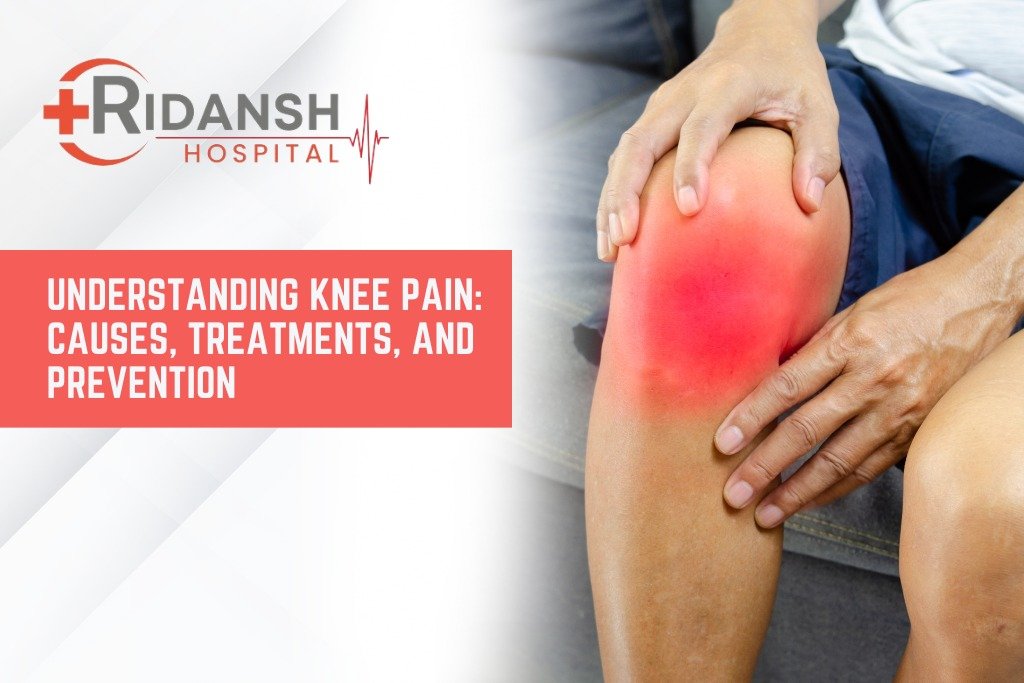
Understanding Knee Pain: Causes, Treatments, and Prevention

Knee pain has become one of those problems people simply “live with” nowadays. Many patients at Ridansh Hospital tell us the same thing: “It used to hurt a little… then slowly it became part of my daily life.”

Sometimes the pain starts after a minor injury. Other times, it builds up over years of climbing stairs, long sitting hours, weight gain, or just age catching up.

In today’s busy lifestyle, where many of us either sit for long hours or walk on uneven surfaces, it’s not surprising how common knee issues have become by our 30s and 40s—much earlier than previous generations.

What Do We Mean When We Say “Knee Pain”?

Knee pain isn’t one single condition. It’s more like a signal that something inside the joint isn’t working the way it should.
The knee is made of:

  • bones
  • ligaments
  • cartilage
  • tendons
  • muscles

Think of it like a small machine—if even one part stops cooperating, everything feels off.
Some people feel a sharp stab when they bend, others experience stiffness in the morning, and a few experience a “catching” feeling where the knee doesn’t move smoothly.

Why Knee Pain Happens (Most Common Reasons)

After seeing thousands of patients with knee problems, these are the issues that come up the most:

1. Osteoarthritis (Wear-and-Tear Pain)

This is one of the top causes in people above 45–50. The cushion inside the knee slowly wears down. People usually describe it as a deep, dull ache—worse in winter or after sitting too long.

2. Sudden Twists and Ligament Injuries

ACL or MCL injuries mostly happen while playing sports—or honestly, even from stepping off a curb wrong. Many people say, “I heard a pop,” and then the swelling starts.

3. Meniscus Tear

This is the cushioning pad that helps the knee move smoothly. A tear often happens during twisting or squatting. Patients often complain the knee feels like it “locks” or “gets stuck.”

4. Tendonitis

Seen a lot in people who do repetitive activities—running, weight training, or climbing stairs frequently.

5. Extra Weight

Even 5–7 extra kilos put significant pressure on the joints. Over time, the cartilage simply wears down faster.

6. Age and Weak Muscles

As we grow older, the support around the knee—especially the thigh muscles—weakens, making the joint more vulnerable.

Symptoms You Should Not Ignore

Some knee discomfort improves with rest. But if you notice any of these, it’s better to get checked:

  • Swelling that stays for days
  • Knee suddenly “giving way”
  • Clicking or popping with pain
  • Difficulty bending or straightening
  • Pain that wakes you at night
  • Warmth, redness, or fever (infection risk)

Ignoring these signs often makes the condition harder to treat.

How Orthopedic Doctors Diagnose Knee Pain at Ridansh Hospital

One of the reasons people trust Ridansh Hospital—a well-known orthopedic hospital in Lucknow—is the thorough approach to evaluation. Most patients appreciate that the doctor doesn’t just glance at the knee and prescribe painkillers.

1. Physical Examination

The way you walk, stand, bend, sit, or shift weight gives a lot of clues. Doctors gently press specific areas to identify the exact source of pain.

2. Imaging

  • X-rays help check the bones and arthritis level
  • MRI scans show ligament, cartilage, or meniscus problems
  • Ultrasound helps view soft tissues

3. Blood Tests

Used only when necessary, especially if infection or rheumatoid arthritis is suspected.

Good diagnosis saves patients from unnecessary treatments.

Treatment: What Actually Helps

There’s no one-size-fits-all treatment. It depends on age, activity level, weight, and what’s happening inside the knee.

1. Non-Surgical Options (Most Patients Start Here)

Rest and Ice
Still very effective for fresh injuries.

Pain and Anti-Inflammatory Medicines
Used for short-term relief.

Physiotherapy
This is usually the real solution. When thigh and hip muscles get stronger, pressure on the knee drops drastically.
Many patients say things like, “I didn’t realize weak muscles were causing half my pain.”

Lifestyle Changes
Small but effective:

  • Switch to low-impact workouts
  • Don’t sit cross-legged for long periods
  • Use proper shoes
  • Lose a little weight (even 3–4 kg helps)

2. Minimally Invasive Procedures

Arthroscopy
Done through tiny cuts. Useful for meniscus tears, cartilage smoothing, and certain ligament issues. Shorter recovery time compared to traditional surgery.

Injections

  • Steroid injections control inflammation
  • PRP (Platelet-Rich Plasma) promotes tissue repair

Doctors recommend them only when they fit the patient’s specific condition.

3. Surgical Treatments

Surgery is the last option, but sometimes it is the best one—especially when the knee is too damaged.

ACL Reconstruction
Restores stability for active individuals.

Meniscus Repair
Helps preserve natural knee function.

Knee Replacement
Partial or full replacement is recommended when arthritis is severe.
Patients looking for knee surgery in Lucknow often visit Ridansh Hospital because of its modern orthopedic setup and recovery-focused care.

How to Prevent Knee Pain (Simple, Honest Tips)

You don’t need a gym membership to protect your knees. Here’s what helps:

  • Strengthen thigh and hip muscles
  • Walk on even surfaces when possible
  • Avoid squatting deeply
  • Warm up before any sports activity
  • Use supportive footwear
  • Keep weight in a healthy range
  • Do low-impact exercises like walking, cycling, or swimming

Most people see improvement within a few weeks if they follow these consistently.

Why People Trust Ridansh Hospital for Orthopedic Care

Over the years, Ridansh Hospital has become a preferred choice for knee and joint problems in Lucknow. Patients usually mention:

  • Doctors who genuinely listen
  • Clear explanations (not medical jargon)
  • Step-by-step diagnosis
  • On-site physiotherapy
  • Modern imaging and surgery facilities
  • A practical, realistic approach—not aggressive treatment

Most importantly, treatment plans are customized based on age, work type, activity, and lifestyle.

Real Patient Experiences

Many patients walk in saying, “I thought this pain was normal for my age.”
But after a proper work-up and 2–3 weeks of guided physiotherapy, the results often surprise them.

Others with ligament or meniscus tears recover quite well after minimally invasive surgery and rehab.

The most common thing patients say is, “I wish I’d come earlier.”

Conclusion

Knee pain may start small, but it can seriously affect daily life if left untreated. Early diagnosis makes recovery easier and prevents long-term joint damage.

If knee pain is slowing you down, consider getting evaluated by an orthopedic specialist.
You can book a consultation at Ridansh Hospital, Lucknow to understand what’s causing the pain and what treatment options would work best for you.

Common Gynecological Disorders

Common Gynecological Disorders: Signs, Symptoms, and When to Seek Help

Gynecological disorders encompass a wide range of conditions affecting the female reproductive system. Understanding their signs and symptoms is essential for timely diagnosis and treatment. Here are some common gynecological disorders and when to seek help.

1. Menstrual Disorders:

Menstrual irregularities, including heavy bleeding (menorrhagia), painful periods (dysmenorrhea), or missed periods, can indicate underlying issues such as hormonal imbalances or fibroids. Women should consult a healthcare provider if their menstrual cycle becomes irregular or if they experience severe pain.

2. Polycystic Ovary Syndrome (PCOS):

PCOS is characterized by hormonal imbalance, leading to irregular periods, excess hair growth (hirsutism), and acne. If a woman experiences weight gain and difficulty in conceiving, it’s crucial to seek medical advice, as untreated PCOS can lead to diabetes and heart disease.

3. Endometriosis:

This condition occurs when the tissue similar to the lining of the uterus grows outside it, causing severe pelvic pain, especially during menstruation. If pain interferes with daily activities or fertility, it’s important to consult a doctor for proper diagnosis and treatment options.

4. Vaginal Infections:

Common infections such as yeast infections and bacterial vaginosis can cause itching, unusual discharge, and odor. If symptoms persist or worsen, seeking medical attention is vital to prevent complications.

5. Ovarian Cysts:

These fluid-filled sacs can cause pain or pressure in the abdomen. While many are benign and resolve on their own, sudden severe pain may indicate a ruptured cyst, necessitating immediate medical attention.

In summary, being aware of the signs and symptoms of common gynecological disorders is crucial for women’s health. Regular check-ups and open communication with healthcare providers can ensure timely intervention and promote overall well-being. If you experience any concerning symptoms, don’t hesitate to seek help.

Top 5 Common Conditions Treated by Internal Medicine Specialists and How to Manage Them

Top 5 Common Conditions Treated by Internal Medicine Specialists and How to Manage Them

Internal medicine specialists, often referred to as internists, play a crucial role in diagnosing and managing a wide range of adult illnesses. Here are five common conditions they treat and effective management strategies for each:

1. Hypertension (High Blood Pressure)

Hypertension is a prevalent condition that can lead to severe complications like heart disease and stroke. Management typically includes lifestyle modifications such as a balanced diet low in sodium, regular physical activity, and weight management. Medications like ACE inhibitors or diuretics may also be prescribed to help control blood pressure levels.

2. Diabetes Mellitus

Diabetes, particularly Type 2, is a growing concern. Internists help patients manage their blood sugar levels through dietary changes, regular exercise, and monitoring glucose levels. Medications such as metformin or insulin therapy are often necessary to maintain optimal blood sugar control.

3. Chronic Obstructive Pulmonary Disease (COPD)

COPD, a progressive lung disease, requires careful management to alleviate symptoms and improve quality of life. Treatment options include smoking cessation programs, bronchodilator medications, and pulmonary rehabilitation. Internists often collaborate with respiratory therapists for comprehensive care.

4. Heart Disease

Internists manage various heart conditions, including coronary artery disease and heart failure. Lifestyle modifications, such as a heart-healthy diet and regular exercise, are essential. Medications like statins and beta-blockers may also be prescribed, along with regular monitoring of cardiovascular health.

5. Gastroesophageal Reflux Disease (GERD)

GERD is characterized by chronic heartburn and acid reflux. Management includes lifestyle changes, such as avoiding trigger foods and eating smaller meals, along with medications like proton pump inhibitors to reduce stomach acid production.

In conclusion, internal medicine specialists play a vital role in managing these common conditions through a combination of lifestyle modifications and pharmacological treatments. Regular follow-ups and patient education are key components of effective management, ensuring patients lead healthier lives.